The DBMI Catalyzing Informatics Innovation (CI2) Program supports the development of creative, feasible informatics-based ideas that have the potential to improve health, healthcare, or discovery. CI2 Program awardees receive not only modest funding to pursue their proposed project, but also join a cohort of CI2 Scholars who work closely with faculty and VUMC leadership. Cohorts learn about using real-world data and evidence to advance innovation, evaluate methods and impact change. CI2 awardees work closely with their mentor and the CI2 Advisors to ensure that their project is moving forward and leading to publications and extramural funding, as appropriate.
Applications for the CI2 Program for 2026-2027 are due by Aug. 21, 2026. See the CI2 Application and Selection Information page here.
-
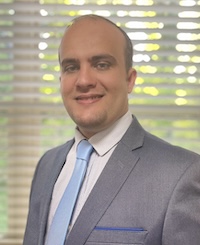
Mohammed Al-Garadi, PhD
Research Assistant Professor, Department of Biomedical InformaticsProject Title: An Adaptive Multi-Agent Framework for Enhancing Clinical Reasoning Safety and Diagnostic Reliability
Project Summary
We developed a dynamic multi-agent framework to improve clinical reasoning, diagnostic accuracy, and safety by using a lead router agent to assess each case based on complexity, clinical domain, and risk, then assigning the case to relevant specialty sub-agents, such as nephrology, pharmacy, cardiology, or other domain-specific agents as needed. This adaptive design allows the system to scale the number and type of agents according to case complexity while balancing performance and computational cost. After specialty review, an evidence-checking agent evaluates whether the output is grounded in the clinical information, and a safety agent reviews for hallucinations, missing information, unsafe recommendations, or inconsistent reasoning. In preliminary testing using synthetic data, the multi-agent framework showed higher clinical reasoning accuracy than single-model systems, including Claude Opus 4.6 (0.94 vs. 0.92) and GPT-5.3 (0.94 vs. 0.89). It also demonstrated higher safety/reliability than Claude Opus 4.6 (0.88 vs. 0.85) and GPT-5.3 (0.88 vs. 0.82). These findings suggest the potential value of the framework and support further validation using real-world clinical data.

Chao Yan, PhD
Research Instructor, Department of Biomedical InformaticsProject Title: Evaluating Human–AI Collaboration in Diagnostic Pathology: Uncertainty-Aware Decision Support for Reliable Cancer Diagnosis
Project Summary
This project evaluates whether pairing pathologists with TRUECAM, a framework that wraps the state-of-the-art pathology foundation model (TITAN) to output diagnosis sets with formal coverage guarantees, rather than single labels, improves cancer subtyping over conventional AI assistance. Across non-small cell lung cancer and renal cell carcinoma tasks, a multi-arm reader study compares four conditions: pathologist + TRUECAM, pathologist + TITAN, AI-only, and pathologist-only, measuring accuracy, calibration, and time-to-diagnosis. The project aims to show that uncertainty-aware, deferral-capable AI yields more reliable and efficient diagnoses than either humans or models alone, producing a reusable blueprint for safe deployment of foundation models in clinical pathology.

Sean Huang, MD
Assistant Professor, Department of Medicine, Division of Geriatrics, and Biomedical InformaticsProject Title: Clinical Decision Support Database for Querying
Project Summary
VUMC's clinical decision support infrastructure includes more than 1,080 OurPractice Advisories with over 6,050 linked criteria, more than 1,950 SmartSets, and a large library of groupers, making it increasingly difficult to identify overlap, dependencies, and unintended interactions during routine build requests and build changes. This project develops a queryable, searchable knowledge base of alerts, criteria, SmartSets, and groupers, using large language models to interpret natural-language queries and retrieve relevant content, while answering questions. Informaticians and builders are evaluating LLM responses for accuracy and search relevance with the goal of supporting governance and routine build operations without adding workflow complexity.

Molly Talman, MD, MS
Pediatric Hematology & Oncology Fellow, PGY-6
Monroe Carell Jr. Children’s Hospital at VanderbiltProject Title: Automating Survivorship Care Plans via AI and Interoperable Data: A Pediatric Oncology Proof of Concept
Project Summary
Survivors of childhood cancer require lifelong monitoring for treatment-related late effects, yet survivorship care plans (SCPs) are time-intensive to create and difficult to maintain at scale. This project aims to develop an interoperable, AI-assisted framework to support automated SCP generation using structured and unstructured electronic health record data alongside guideline-based recommendations from the Children’s Oncology Group Long-Term Follow-Up Guidelines. The goal is to improve the accessibility, accuracy, and scalability of survivorship care planning while reducing clinician burden in pediatric oncology.

Cathy Shyr, PhD
Assistant Professor, Departments of Biomedical Informatics, Pediatrics, and BiostatisticsProject Title: Statistical Machine Learning for Earlier Identification of Individuals on Rare Disease Diagnostic Odysseys
Project Summary
Individuals living with undiagnosed rare diseases often experience prolonged diagnostic odysseys characterized by substantial diagnostic delays. Earlier identification of these individuals could help accelerate referral to multidisciplinary rare disease diagnostic programs and improve health outcomes. This project aims to develop and validate statistical machine learning models that identify patients who may be on a rare disease diagnostic odyssey using electronic health records (EHR) data. We will use referral to the Vanderbilt Undiagnosed Diseases Network (UDN) as a clinically meaningful proxy for being on a diagnostic odyssey. Models will integrate structured EHR features, including demographics, clinical symptoms, and longitudinal healthcare utilization patterns, and clinical note-derived features to capture diagnostic uncertainty. By combining longitudinal EHR data with advanced statistical machine learning approaches, this project seeks to create a scalable approach for earlier identification of patients with rare diseases. Future work includes external validation across other UDN sites to assess model transportability and generalizability.
-

April Barnado, MD, MSCI
Assistant Professor, Departments of Medicine and Biomedical InformaticsProject Title: Reducing time to diagnosis in systemic lupus erythematosus
Project Summary
Systemic lupus erythematosus (SLE) is a challenging disease to diagnose. Patients with SLE face diagnostic delays. Diagnostic delays in SLE lead to adverse outcomes. Validated interventions do not exist to reduce time to diagnosis in SLE individuals. We seek to deploy, automate, and assess if a phenotype risk score (PheRS) that uses billing codes in real-time in the electronic health record can reduce time to diagnosis in SLE.

Siru Liu, PhD
Assistant Professor, Departments of Biomedical Informatics and Computer ScienceProject Title: Patient Artificial Intelligence Guided E-messages (PAIGE)
Project Summary
This project aims to address provider burnout and delays in patient care caused by incomplete messages from patients. We will develop and pilot test the Patient Artificial Intelligence Guided E-messages (PAIGE) system, a SMART on FHIR application integrated into the My Health at Vanderbilt (MHAV) patient portal. Using large language models, PAIGE will intelligently prompt patients to include essential information in their messages, such as symptom onset or concurrent medications. The goal is to equip providers with a complete, actionable message from the outset, reducing the need for back-and-forth communication and enabling more efficient and timely care.

Megan Salwei, PhD
Assistant Professor, Departments of Anesthesiology and Biomedical InformaticsProject Title: Development and Integration of a Personalized Decision Aid to Support Breast Cancer Patient Journeys
Project Summary
Women newly diagnosed with breast cancer need to make several complex treatment decisions that have differing risks and benefits and that depend on patient values, preferences, and unique tumor characteristics. Patients often struggle with making these treatment decisions and studies have found that up to 80% of patients experience decision regret. While numerous decision aids have been developed to support patient decision-making in breast cancer, their sustained implementation and use has been limited due to poor integration in clinical workflows and a lack of tailored information for each patient’s unique situation. The objective of this project was to develop and integrate a patient-centered decision support tool into the EHR and patient portal to support patient decision-making and workflow integration. We leveraged NLP and EHR data to extract key patient tumor and clinical characteristics to personalize the decision support information displayed to each patient.

Bryan Steitz, PhD
Assistant Professor, Department of Biomedical InformaticsProject Title: A Sensor-Based Approach to Monitor Real-Time Changes to Oxygen Therapy
Project Summary
This project aims to automatically identify changes to oxygen therapy for hospitalized patients. Increased reliance on supplemental oxygen is an important early indicator of clinical deterioration, but changes to supplemental oxygen are often undocumented. To address this gap, we developed a prototype sensor and deployment workflow that continuously monitors and records changes to supplemental oxygen. Our goal is to enhance early detection of clinical deterioration while minimizing documentation burden on frontline staff.

Chase Webber, DO, FACP
Associate Professor, Departments of Medicine and Biomedical InformaticsProject Title: Defining a Curriculum to Harness Educational Events in Clinical Learning (VLRChat)
Project Summary
The clinical learning environment predisposes to encounters defined more by transaction processing through orders and documentation (billing, coding, compliance), instead of supporting the clinical decision making and diagnostic reasoning process. The imprecision resultant from this information drift carries substantial consequences for clinician burnout, patient safety, diagnostic performance, and for the resilience of healthcare systems at large. Our study focus is on the intersection of the working mental model of clinicians and the data context, as bridged by the critical process of asking clinical questions. We aim to develop, pilot, and implement a novel innovation ("VLRChat"), a Large Language Model (LLM) trained iteratively using retrieval-augmented generation (RAG) upon the Vanderbilt Internal Medicine Housestaff Handbook, a peer-reviewed, yearly-updated resource with contribution of 30+ faculty reviewers and content experts.

Zhijun Yin, PhD, MS, FAMIA
Associate Professor, Department of Biomedical InformaticsProject Title: A Nested Case-Control Study to Evaluate Promising Protein Biomarkers Related to High Mammographic Breast Density
Project Summary
Breast cancer is the most commonly diagnosed cancer in U.S. women, and high mammographic breast density (MBD) is a key risk factor. MBD makes tumors harder to detect and shares genetic links with breast cancer. In a prior study, we identified 20 blood proteins linked to high MBD using genetic and proteomic data. We now propose a nested case-control study with pre-diagnostic blood samples from 50 women with dense breasts and 50 with non-dense breasts to validate these proteins. This non-invasive approach could lead to simple blood tests for MBD risk, improving early detection and access to screening.
-

Tom Reese, PharmD, PhD
Assistant Professor, Department of Biomedical Informatics
Project Title: Informing Medication Adherence Tools to Improve the Efficiency of Clinical Trials
Project Summary
Accurately monitoring medication adherence in clinical trials can help avoid delays in approval, underestimation of harms, unwarranted dose escalation, and treatment failure. Yet most medication trials use self-report (unreliable) or pill counts (labor intensive) to monitor adherence. The objective of this project was to determine if a medication adherence tool could improve the efficiency of clinical trials. We achieved this by conducting an environmental scan that included a scoping review, key informant interviews with trialists and patients, and prototype ideation.
Bryan Steitz, PhD
Assistant Professor, Department of Biomedical informatics
Project Title: A Sensor-Based Approach to Monitor Real-Time Changes to Oxygen Therapy
Project Summary
This project aims to automatically capture changes to oxygen therapy for hospitalized patients. Identifying when patients increasingly require supplemental oxygen is an important predictor to detect clinical deterioration, but changes to supplemental oxygen are not well documented. We developed a prototype sensor and deployment workflow that automatically monitors and documents changes to supplemental oxygen so that we improve early detection of clinical deterioration.

Jonathan Wanderer, MD, MPhil, FASA, FAMIA
Professor, Department of Anesthesiology
Professor, Department of Biomedical InformaticsProject Title: Gown Card App: Providing a Better User Experience for Working with Surgical Preference Cards
Project Summary:
Our project aims to create a cross-platform mobile application focused on making surgical preference cards work better for surgical teams. We provide a platform for adding context to equipment lists by enabling team members to submit notes, pictures and videos of surgical equipment set up. Our application makes it simple to identify which supplies to open, and creates a straightforward workflow for suggesting edits and changes to preference cards. These tools can simplify onboarding of new surgical staff and streamline the process for improving preference cards. Additionally, we are working towards integration with Epic's surgical schedule.
Chase Webber, DO
Associate Professor, Department of Medicine
Associate Professor, Department of Biomedical InformaticsProject Title: Defining a Curriculum to Harness Educational Events in Clinical Learning (VLRChat)
Project Summary:
The clinical learning environment predisposes to encounters defined more by transaction processing through orders and documentation (billing, coding, compliance), instead of supporting the clinical decision making and diagnostic reasoning process. The imprecision resultant from this information drift carries substantial consequences for clinician burnout, patient safety, diagnostic performance, and for the resilience of healthcare systems at large. Our study focus is on the intersection of the working mental model of clinicians and the data context, as bridged by the critical process of asking clinical questions. We aim to develop, pilot, and implement a novel innovation ("VLRChat"), a Large Language Model (LLM) trained iteratively using retrieval-augmented generation (RAG) upon the Vanderbilt Internal Medicine Housestaff Handbook, a peer-reviewed, yearly-updated resource with contribution of 30+ faculty reviewers and content experts.

Cosmin "Adi" Bejan, PhD
Assistant Professor, Department of Biomedical informatics
Project Title: Leveraging Large Language Models to Improve the Identification of Emergency Department Visits for Symptomatic Kidney Stones
Project Summary:
The goal of this project is to explore the capabilities of large language models (LLMs) in analyzing emergency department (ED) reports with the specific goal of identifying ED visits due to symptomatic kidney stone. Solving this task is especially challenging because patients visiting the ED for reasons unrelated to kidney stones often undergo imaging tests such as CT scans and X-rays, which can incidentally reveal kidney stones. Strategies we implemented to optimize the performance of LLMs for this task include zero- and few-shot prompting, fine-tuning, and prompt augmentation.

Alex Cheng, PhD
Research Assistant Professor, Department of Biomedical informatics
Project Title: Online Activity Data for Mental Health Research
Project Summary:
The effect of online media consumption on adolescents' mental health has gotten much attention lately. However, there is little empirical evidence for specific online behavior that correlates to poor mental health. Our project seeks to assess the feasibility of asking participants to obtain their online activity data from tech companies and donate that data for mental health research. If successful, this study could open the door for a larger cohort study to discover trends in online activity that lead to mental health diagnoses.
-

Benjamin Collins, MD, MS, MA
Postdoctoral Research Fellow
Department of Biomedical Informatics
Center for Biomedical Ethics & Society
Instructor in Clinical Medicine
Division of General Internal Medicine & Public HealthProject Title: Determining What Patients Need to Know About Artificial Intelligence in Healthcare
Project Summary:
This project looks to fill a gap in the literature on what patients should know about artificial intelligence (AI) in healthcare so that they may be able to provide informed consent to the use of AI in their care and for participation in research involving AI. The project involves qualitative data extraction from current related literature and interviews with subject matter experts and patients to identify content they need to know and the themes of that content.
Bryan Steitz, PhD
Instructor, Department of Biomedical informatics
Project Title: A Sensor-Based Approach to Monitor Real-Time Changes to Oxygen Therapy
Project Summary:
This project aims to develop an approach to automatically capture changes to oxygen therapy for hospitalized patients. Identifying when patients require increased supplemental oxygen therapy is an important predictor to detect clinical deterioration, but changes to oxygen delivery are often not well documented. We prototyped a sensor that automatically records adjustments to supplemental oxygen, so that we can reliably improve documentation while reducing nurse workload.
Jonathan Wanderer, MD, MPhil, FASA, FAMIA
Professor, Department of Anesthesiology
Professor, Department of Biomedical InformaticsProject Title: Gown Card App: Providing a Better User Experience for Working with Surgical Preference Cards
Project Summary:
Our project aims to create a cross-platform mobile application focused on making surgical preference cards work better for surgical teams. We provide a platform for adding context to equipment lists by enabling team members to submit notes, pictures and videos of surgical equipment set up. Our application makes it simple to identify which supplies to open, and creates a straightforward workflow for suggesting edits and changes to preference cards. These tools can simplify onboarding of new surgical staff and streamline the process for improving preference cards.
Chase Webber, DO
Assistant Professor, Department of Medicine
Medical Director, 4 Round Wing, Vanderbilt University Adult HospitalProject Title: Enhancing Learning Goal Formation by Inpatient Teaching Teams Through the Electric Learning Record (ELR)
Project Summary:
Outcomes in the clinical learning environment overlap but do not fully align (e.g., patient care, learner grades and evaluations, team performance). As a result, learning goals remain spontaneous, implicit, not written down or shared, and thus collaboration and co-construction of learning on inpatient teams remains an afterthought. We utilized the QuizTime application to hardwire specific, learner-driven, time-bound learning goals within a digital learning eco-system, the VUMC Electronic Learning Record (ELR). DBMI Mentor: Laurie Novak, PhD, MHSA, FAMIA
-

April Barnado, MD, MSCI
Assistant Professor, Department of Medicine
Assistant Professor, Department of Biomedical InformaticsProject Title: Predicting Risk of Systemic Autoimmune Disease in Patients with Positive Antinuclear Antibodies
Project Summary
We aim to risk stratify patients with a positive ANA (antinuclear antibody) for systemic autoimmune disease. Using data from the Synthetic Derivative, we are developing and validating a risk model to predict which patients with a positive ANA are at high risk for developing systemic autoimmune disease. By identifying these high risk patients, we then can prioritize referral to rheumatology to reduce time to diagnosis and treatment to ultimately reduce morbidity and mortality related to delayed diagnoses.

Thomas Lasko, MD, PhD
Associate Professor, Department of Biomedical informatics
Associate Professor, Department of Computer ScienceProject Title: AI Guidance for Inpatient Lab Test Timing
Project Summary
This project explored the innovative idea of providing patient-personalized, data-driven guidance on the optimal time to repeat an inpatient laboratory test. In order to maintain appropriate clinical awareness, clinicians must observe a more volatile measurand more frequently than a less volatile one. But absent a tool to quantify that volatility, clinicians tend to either guess on the timing, or default to just testing every morning. In this project, we used a common lab test (Serum hemoglobin concentration) to assess the accuracy of the optimal timing inference method, and we explored constraints that would be imposed on such a tool by clinical workflow and information needs.
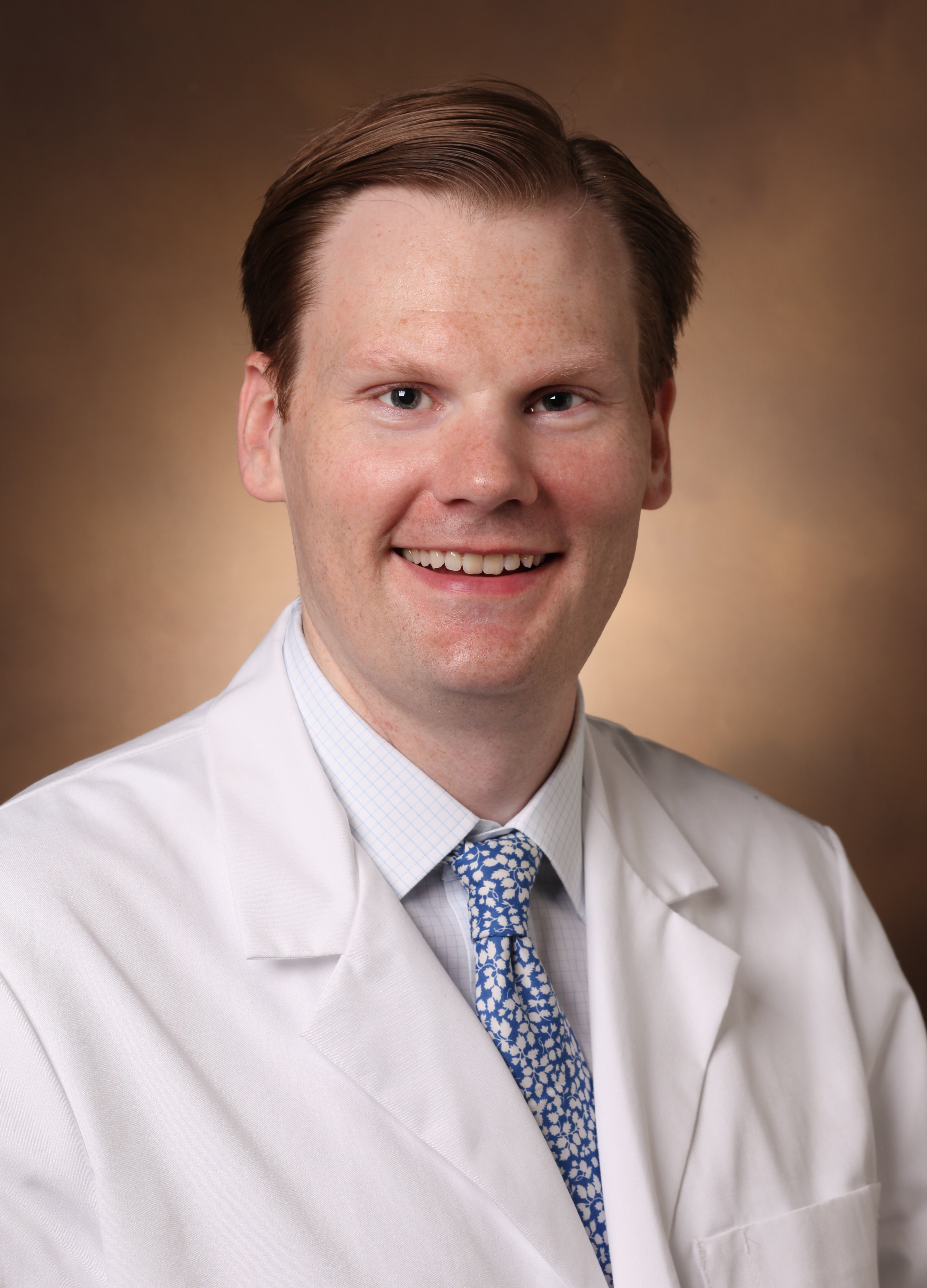
Justin Bachmann, MD
Cardiologist
Instructor, Department of Medicine, Department of Health PolicyProject Title: Predicting Heart Failure Hospitalizations with Patient-Reported Outcome Measures
Project Summary
This project sought to predict hospitalizations among outpatients with heart failure at Vanderbilt University Medical Center using patient-reported outcome measures (PROMs). PROMs, or validated questionnaires characterizing heart failure symptoms, were collected during routine clinical practice in heart failure clinic. We successfully extracted PROM data alongside other clinical data elements from the electronic health record. These data were used to construct machine learning models to predict hospitalizations among patients with heart failure. We hope to use these data in clinical decision support in the future.
Bryan Steitz, PhD
Instructor, Department of Biomedical informatics
Project Title: A Real-Time Dashboard to Visualize Time-Based Resource Utilization
Project Summary
Our project aims to develop, implement, and evaluate a dashboard to display metrics of organizational stress. With Meds to Beds ordering and delivery workflows as a use case, we created unit-level displays to aid in discharge planning and improve communication and information sharing between the pharmacy, clinical teams, and unit staff. We synthesized data across multiple clinical systems to track Meds to Beds order progress for individual patients and indicate hospital-wide utilization statistics. Our preliminary validation has highlighted positive user feedback and successful utilization in clinical workflows. Quantitative metrics indicate a significant reduction in clinical messages between unit and pharmacy staff to monitor order status.

Wael Alrifai, MD, MS
Assistant Professor, Department of Pediatrics
Assistant Professor, Department of Biomedical InformaticsProject Summary:
Our Workload Research Program aims to design, implement and evaluate patient severity of illness and team workload models. We had developed and validated the Vanderbilt Score for Acuity and Resources in Neonates (VSARN), which assesses the workload imposed by individual patients. Supported by the Catalyzing Informatics Innovation, we integrated the VSARN within the electronic health records and we initiated the validation of its use in assessing provider's workload in real-time. We are also evaluating the association between higher VSARN scores and provider-reported burnout symptoms. Our research team is planning on expansion to the VSARN variables to account for patient, provider and health system factors to improve the predictive accuracy. The overall goal of our program is to create a workload dashboard that aids providers and their leaders in making workload distribution fair and equitable.
-
Wael Alrifai, MD, MS
Assistant Professor, Department of Pediatrics
Assistant Professor, Department of Biomedical InformaticsProject Summary
Our Workload Research Program aims to design, implement and evaluate patient severity of illness and team workload models. We had developed and validated the Vanderbilt Score for Acuity and Resources in Neonates (VSARN), which assesses the workload imposed by individual patients. Supported by the Catalyzing Informatics Innovation, we integrated the VSARN within the electronic health records and we initiated the validation of its use in assessing provider's workload in real-time. We are also evaluating the association between higher VSARN scores and provider-reported burnout symptoms. Our research team is planning on expansion to the VSARN variables to account for patient, provider and health system factors to improve the predictive accuracy. The overall goal of our program is to create a workload dashboard that aids providers and their leaders in making workload distribution fair and equitable.

Victor Legner, MD, MS
Associate Professor of Medicine, Division of Geriatric Medicine
Executive Medical Director, Primary Care Patient Care CenterProject Summary
Hospitals across the county are challenged with a high inpatient census resulting in issues with capacity. This in turn causes delays in the ability to hospitalize patients in a timely fashion, high emergency room boarding numbers, and diverting patients who require specialized care to other facilities. Fragmentation of care results, which leads to worse clinical outcomes, higher rates of re-hospitalization and increased resource utilization, and decreased patient satisfaction. Developing a system that allows us to care for acutely ill patients at home will allow us to improve capacity in the ED and hospital for more critically ill patients with specialized care needs. It will also improve patient satisfaction as research has shown that people prefer to receive care in their homes.
This project will allow us to explore how to utilize automated technology to improve the care we provide patients in their homes. We will learn how to monitor at home patients, how to communicate the results of that monitoring in real time, and how to respond to acute issues that arise. Regardless of success or lack thereof, information on how to care for patients in a home hospital setting will be gathered, and this in turn will allow for further and continued improvement in our home delivery of care.

Colin Walsh, MD, MA, FAMIA
Assistant Professor, Department of Biomedical Informatics
Assistant Professor, Department of Medicine
Assistant Professor, Department of PsychiatryProject Summary
Our multidisciplinary team of healthcare providers and behavioral health experts, informaticians, information technology experts, ethicists, statisticians, and more have operationalized our published, validated machine learning approach to predict risk of suicidality following healthcare encounters. We intend to add to VUMC’s existing suicide prevention efforts by implementing Vanderbilt SafeCourse, a technology-enabled suicide prevention program, to help compassionate, smart providers best connect with patients who might be at risk of suicidal thoughts or suicidal self-harm. We hope to seamlessly summarize and share potential risk and protective factors from medical records to support shared decision-making and to direct attention during and between busy clinical encounters through decision support and technology-augmented outreach. Our program emphasizes transparency for patients and providers, that all models are imperfect and smart providers are in charge, and ethical implementation of predictive technology.
-

Jeffrey Carr, MD, MSc
Professor, Department of Radiology
Professor, Department of Biomedical InformaticsProject Summary
Healthy Liver will identify individuals at risk for liver failure earlier and intervene earlier when prevention is more effective. Obesity affects 40% of US adults. Fatty liver disease is a consequence of obesity, drives hepatic inflammation and fibrosis, a leading cause of liver transplant and can be reversed or delayed with early intervention. Our project utilizes machine learning techniques to measure liver fat and obesity patterns from CT scans of the chest and abdomen. Combine the imaging markers with EMR data and provide a risk estimate for individuals and their healthcare providers.
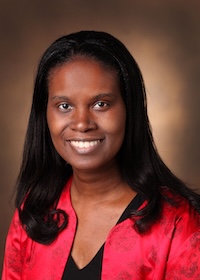
Yaa Kumah-Crystal, MD, MPH, MS
Assistant Professor, Department of Biomedical Informatics
Assistant Professor, Department of Pediatric EndocrinologyProject Summary
The Vanderbilt EHR Voice Assistant (VEVA) works to enhance the usability of the Electronic Health Record (EHR) through Natural language communication. This initiative allows providers to use spoken commands to query patient information, and order laboratory test on their patients. The VEVA voice user interface provides both visual and spoken summarizations back to the user.

Bennett A. Landman, PhD
Professor of Electrical Engineering, Computer Engineering and Computer Science
Project Summary
The RadX project creates the infrastructure necessary for evaluating Radiology AI on n-of-1 trial. RadX leverages VUMC’s ImageVU data archive and secure REDCap interfaces to identify, extract, and process specific imaging sessions of individual subjects within a feasible clinical research workflow. The initial pilot use cases include body lesion detection, liver fat assessment, lung nodule localization, coronary calcium assessment, and functional neuroimaging.
See here for more information.

Colin Walsh, MD, MA, FAMIA
Assistant Professor, Department of Biomedical Informatics
Assistant Professor, Department of Medicine
Assistant Professor, Department of PsychiatryProject Summary
Our multidisciplinary team of healthcare providers and behavioral health experts, informaticians, information technology experts, ethicists, statisticians, and more have operationalized our published, validated machine learning approach to predict risk of suicidality following healthcare encounters. We intend to add to VUMC’s existing suicide prevention efforts by implementing Vanderbilt SafeCourse, a technology-enabled suicide prevention program, to help compassionate, smart providers best connect with patients who might be at risk of suicidal thoughts or suicidal self-harm. We hope to seamlessly summarize and share potential risk and protective factors from medical records to support shared decision-making and to direct attention during and between busy clinical encounters through decision support and technology-augmented outreach. Our program emphasizes transparency for patients and providers, that all models are imperfect and smart providers are in charge, and ethical implementation of predictive technology.
-
Up to four CI2 scholars will be selected each year. Eligible faculty members (or advanced postdocs with mentor support) should have a primary or secondary appointment in Biomedical Informatics (or a DBMI primary faculty mentor) and be early in their career development.
-
Faculty members will be appointed CI2 Scholars for up to two (2) renewable one (1) year terms. As a part of this program, CI2 scholars will receive $20,000 in supplemental financial support during each term to foster career development and scholarly activity (funds may be used to support research, program costs, or to support participation in courses or meetings that will enhance the scholar's career development). In addition, scholars will identify and work with a mentor for CI2 project development, complementing their existing mentor they have selected for career development.
-
Appropriate mentors are faculty who have a history of individual success and a track record of successful mentoring. Scholars will select mentors at the time of application. Project mentors may be senior faculty with or without a DBMI appointment. Scholars who complete the program will be asked to serve as mentors-in-training for future scholars by serving on mentoring committees for scholars.
-
- Participate in monthly scholar activities (skills workshops, works in progress, symposia)
- Obtain IRB approval for project (as needed)
- Meet with VUMC experts to validate project aims and hypotheses
- Develop project protocol and plan
- Design and pilot the project
- Collect relevant data and generate project artifacts
- Evaluate successes and failures of the project
- Write up a summary of the project
- Submit a poster or paper to a national meeting on the project
-
The CI2 Scholars Program is coordinated by the Director of Innovation. The Advisory Committee provides program oversight and participates in scholar selection.
Advisory Committee: